Uncategorized
What Does Ghkcu Do? Benefits, Research, and How It Works
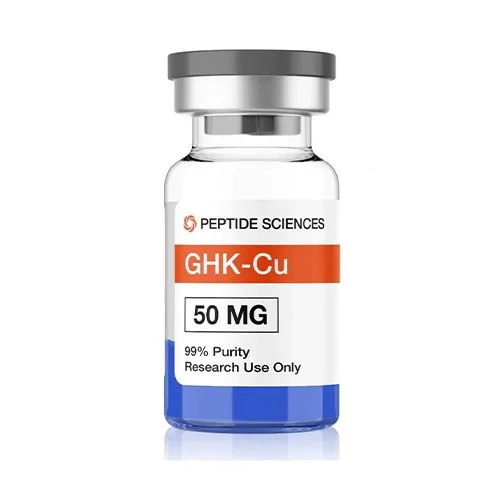
If you’re wondering what does ghkcu do, you’re not alone. This copper peptide has gained strong attention in skin and regenerative research. Scientists study GHK-Cu for its effects on collagen production, tissue repair, antioxidant defense, and gene signaling.
In this guide, you’ll learn exactly what GHK-Cu does and why researchers consider it one of the most important regenerative peptides.
What Is GHK-Cu?
GHK-Cu is a naturally occurring copper-binding tripeptide. It consists of three amino acids—glycine, histidine, and lysine—combined with a copper ion.
Researchers first discovered GHK in human plasma. Interestingly, its levels decline with age. Because of this, scientists began studying how restoring GHK-Cu affects skin health, wound healing, and cellular repair.
What Does GHK-Cu Do in the Body?
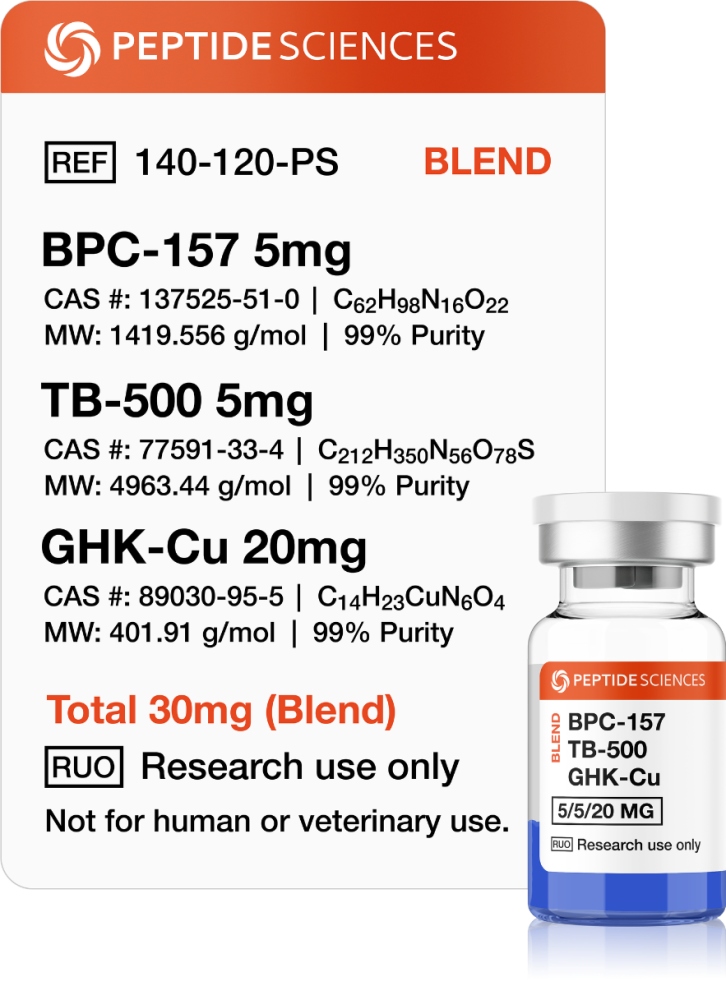
GHK-Cu influences multiple biological pathways. Below are the main research-backed mechanisms.
1. Stimulates Collagen Production
First and foremost, GHK-Cu promotes collagen synthesis. Collagen gives skin its firmness and elasticity. In laboratory studies, GHK-Cu activates fibroblasts, which are cells responsible for producing collagen and elastin.
As a result, researchers observe improvements in skin structure and tissue strength in controlled models.
2. Supports Wound Healing and Tissue Repair
Another important answer to “what does GHK-Cu do” involves tissue regeneration.
Studies show that GHK-Cu:
- Encourages new blood vessel formation
- Promotes skin cell migration
- Improves extracellular matrix remodeling
Because of these effects, researchers use it in regenerative and recovery studies.
3. Provides Antioxidant Protection
Oxidative stress damages cells and accelerates aging. However, GHK-Cu helps reduce oxidative stress markers in research models.
It binds free copper ions and limits harmful oxidative reactions. Therefore, scientists explore its potential role in cellular protection and longevity research.
4. Influences Gene Expressio
One of the most fascinating things GHK-Cu does involves gene regulation.
Research suggests that GHK-Cu can activate genes related to:
- Tissue repair
- Antioxidant defense
- Cellular regeneration
At the same time, it may suppress genes linked to inflammation and tissue breakdown. This dual action makes it highly valuable in regenerative biology research.
5. Supports Hair Follicle Research
Some dermatological studies examine how GHK-Cu affects hair follicles. Researchers observe increased follicle size and improved scalp environment in laboratory settings.
Although more studies continue, this remains a growing area of interest.
Why Is GHK-Cu So Popular?
GHK-Cu stands out because it:
- Occurs naturally in the body
- Acts on multiple repair pathways
- Shows strong stability when properly formulated
- Demonstrates broad regenerative activity
Unlike single-target compounds, GHK-Cu influences several biological systems at once
Final Answer: What Does GHK-Cu Do?
In research environments, GHK-Cu stimulates collagen production, supports tissue repair, reduces oxidative stress, and regulates gene expression linked to regeneration. These combined effects explain why it remains one of the most studied copper peptides in regenerative science.
Note: GHK-Cu products are intended strictly for laboratory research purposes and are not approved for human consumption or medical use.